Neighbourhoods
in Time and Space.
DE | EN
Introduction
Neighbourhoods in Time and Space: Fractures and Legacies
Since 2025, the Sylt Foundation has hosted an annual German-Polish meeting on Sylt. Together with the Federal Institute for Culture and History of the Germans in Eastern Europe (BKGE) in Oldenburg and the University of Giessen—and, since 2026, the Literaturhaus Bremen and the Johannesburg Holocaust & Genocide Centre—the series brings together authors, scholars and cultural practitioners. In workshops and conversations, they explore the complex relationship between Poland and Germany, questions of memory and belonging, and what neighbourhood means today. Each meeting culminates in a public reading.
A LOOK BACK 2026
2nd Meeting
5–8 November 2026
Neighbourhoods in Time and Space: Fractures and Legacies
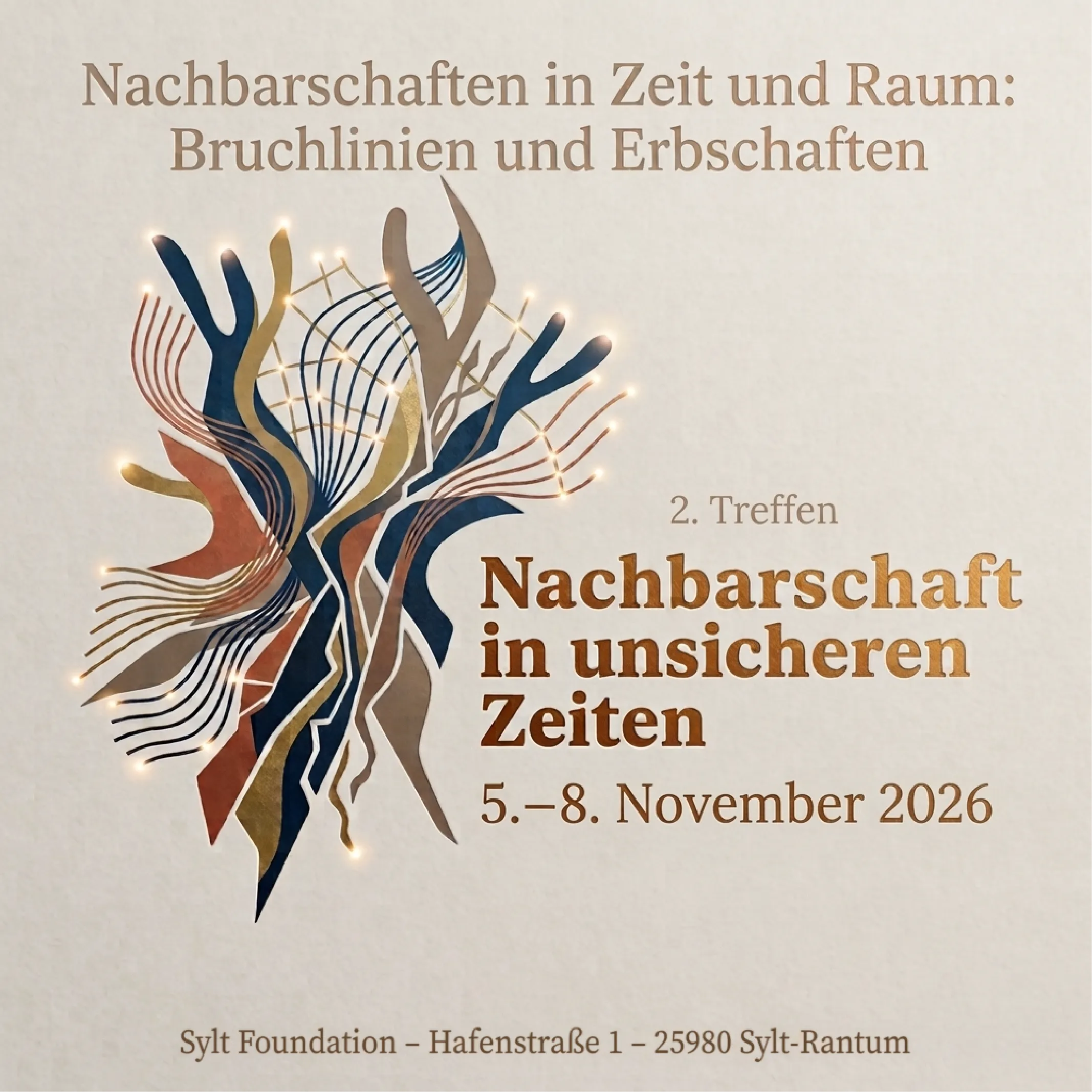
From 5 to 8 November 2026, the second edition of the series “Neighbourhoods in Time and Space: Fractures and Legacies” took place on Sylt. Together with the Federal Institute for Culture and History of the Germans in Eastern Europe (BKGE) in Oldenburg, the University of Giessen and—new this year—the Literaturhaus Bremen and the Johannesburg Holocaust & Genocide Centre, the Sylt Foundation invited authors, scholars and cultural practitioners to think further about German-Polish relations from a range of perspectives.
What neighbourhood means today
Following its launch in 2025, this year’s meeting also served to develop the series further, in terms of both content and strategy. Under the theme “Neighbourhood in Uncertain Times”, we asked which issues will shape German-Polish relations in the years to come. Which historical experiences continue to resonate in the present, and which new fault lines are emerging? What does neighbourhood mean at a time when political certainties in Europe have become more fragile? And how can literature, historical scholarship and cultural practice create spaces in which different experiences, memories and perspectives can enter into conversation?
This was not only about the major themes and problem areas of German-Polish history. The focus was rather on individual biographies and family histories, on questions of belonging, on the significance of regional and European identities in an age of migration and globalisation, and on how historical experiences are passed on, transformed or retold across generations. In a present marked by war, major political upheaval and social polarisation, the question of how neighbourhood can be imagined and lived beyond national self-images is becoming ever more important.
Literature as a way in
With the participation of the Literaturhaus Bremen, the literary dimension of the series is to be expanded further. Literature offers its own access to history and memory: it can make ambivalences visible, let experiences stand side by side, and create connections where political or national narratives often draw boundaries. The meeting also discussed how academic research and literary storytelling can benefit from one another, and how their different forms of knowledge can be communicated to a wider public.
A platform for the years ahead
Another focus of the meeting was joint planning for the coming years. The participating institutions and guests developed themes, formats and possible collaborations, and discussed how the encounters so far can grow into a long-term German-Polish platform that brings together scholarship, literature and the wider cultural public.
Workspace and public forum
Participants included Artur Becker, Silke Behl, Silke Pasewalck, Fred Apke, Leonie Apke, Hans-Jürgen Bömelburg, Sascha Feuchert, Bogusław Chrabota, Patricia Verne and Indra Wussow.
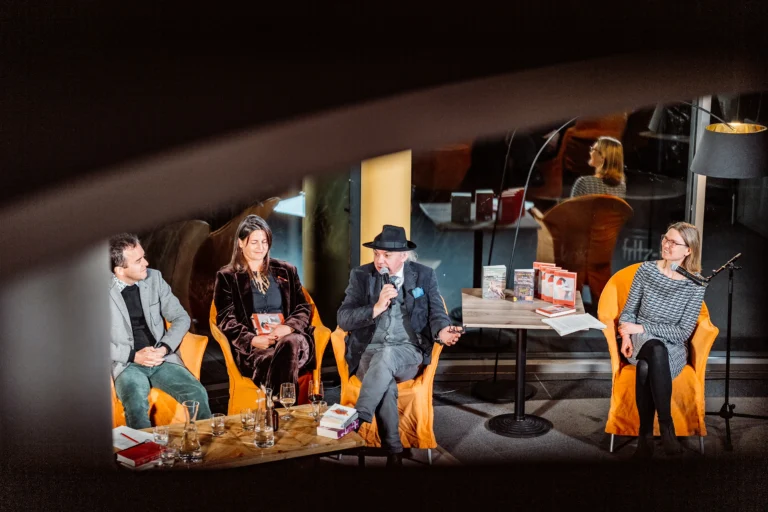
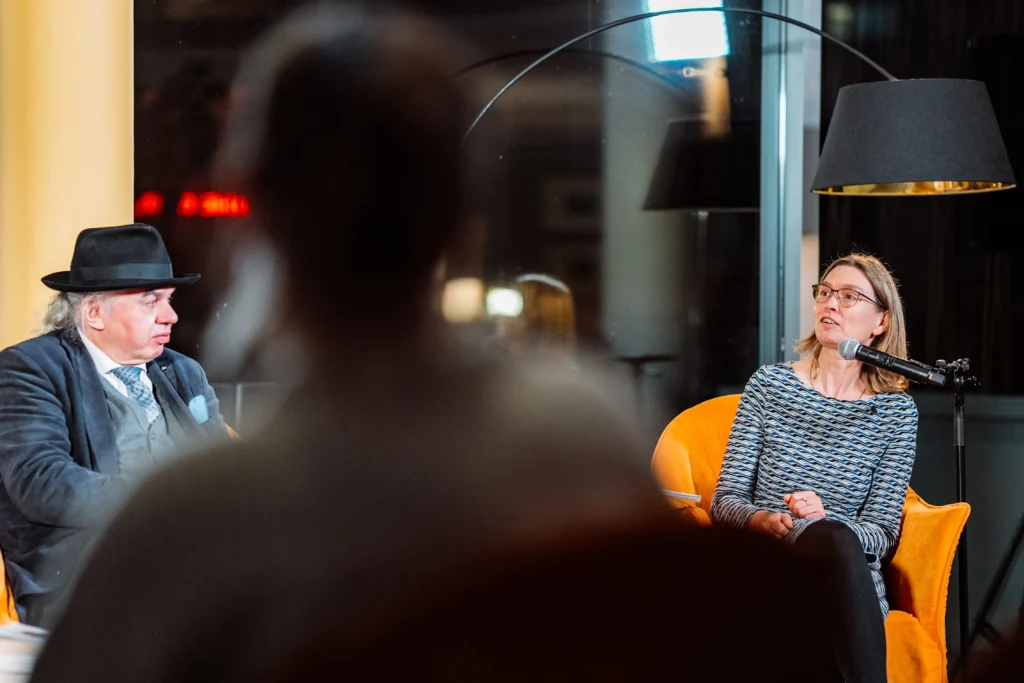
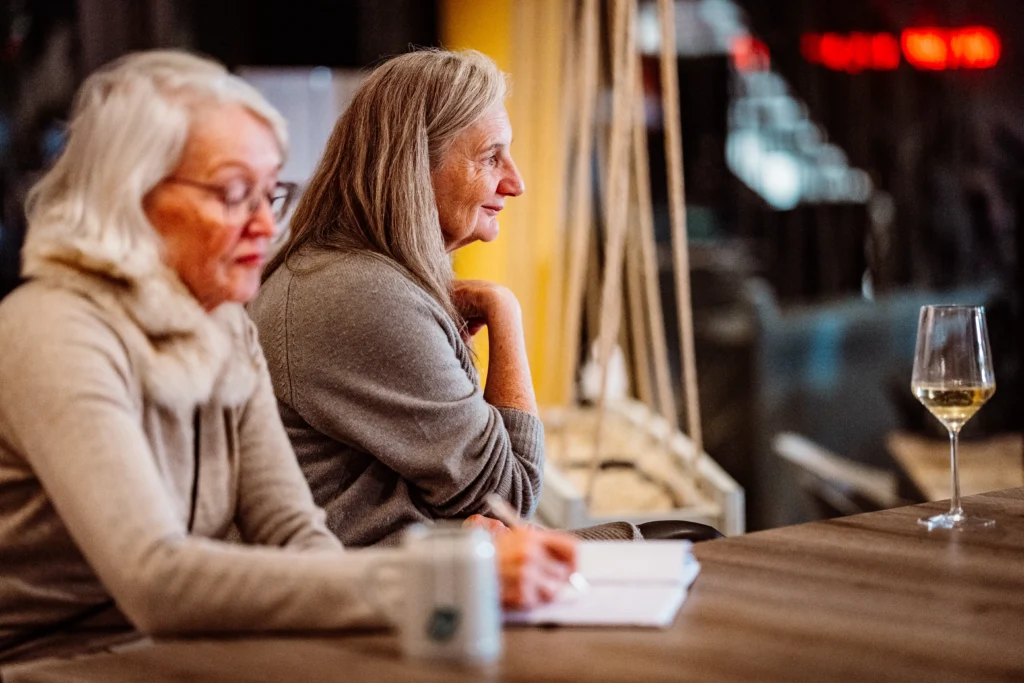
The talks and workshops were closed to the public. The public part of the meeting was the reading “Narrating Neighbourhood – Literature in Uncertain Times” on Friday, 6 November 2026, at the Quellenhaus of Sylt Quelle. In this way, “Neighbourhoods in Time and Space: Fractures and Legacies” remains both a workspace and a public forum: a place where engaging with the legacies of the past can raise new questions about the present and the future.
Public reading
Friday,
6 November 2026
6 pm
Quellenhaus der
Sylt Quelle,
Hafenstraße 1,
25980 Sylt-Rantum, Germany
Recording on YouTube
Narrating Neighbourhood – Literature in Uncertain Times
Moderated by Silke Behl
On Friday evening, Fred Apke, Artur Becker, Mia Raben, Patricia Verne and Indra Wussow read from their texts about origins, memory and what neighbourhood means today at the Quellenhaus of Sylt Quelle in Rantum. Silke Behl guided the evening and the conversation.
The reading was the public part of the second German-Polish meeting in the series “Neighbourhoods in Time and Space: Fractures and Legacies”, which was devoted to “Neighbourhood in Uncertain Times” and took place on Sylt from 5 to 8 November. If you could not be there, you can watch the recording of the reading on YouTube.
DIE LESENDEN
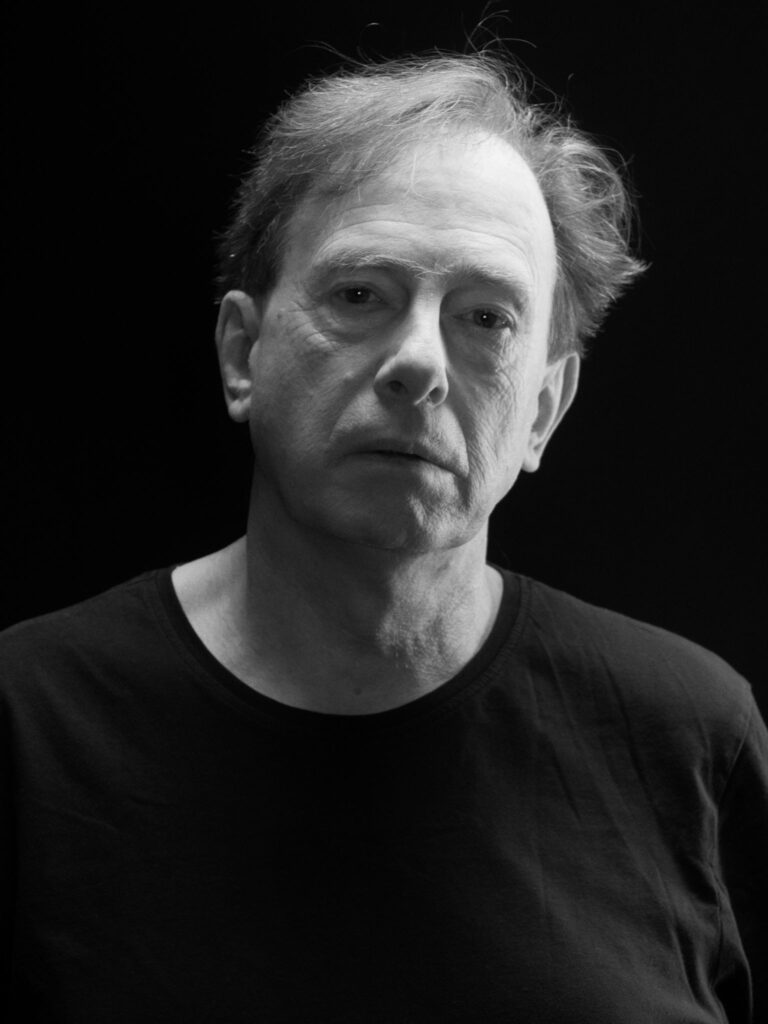
Fred Apke
Fred Apke is an actor, director, playwright and translator. He grew up in Westphalia, trained as an actor in Berlin and worked on stages in Germany and Norway. For many years he has also been at home in Polish theatre, film and television, both as an actor and as a director, with productions in Warsaw, Chorzów and Łódź among others. His plays have been staged in several countries and translated into numerous languages.
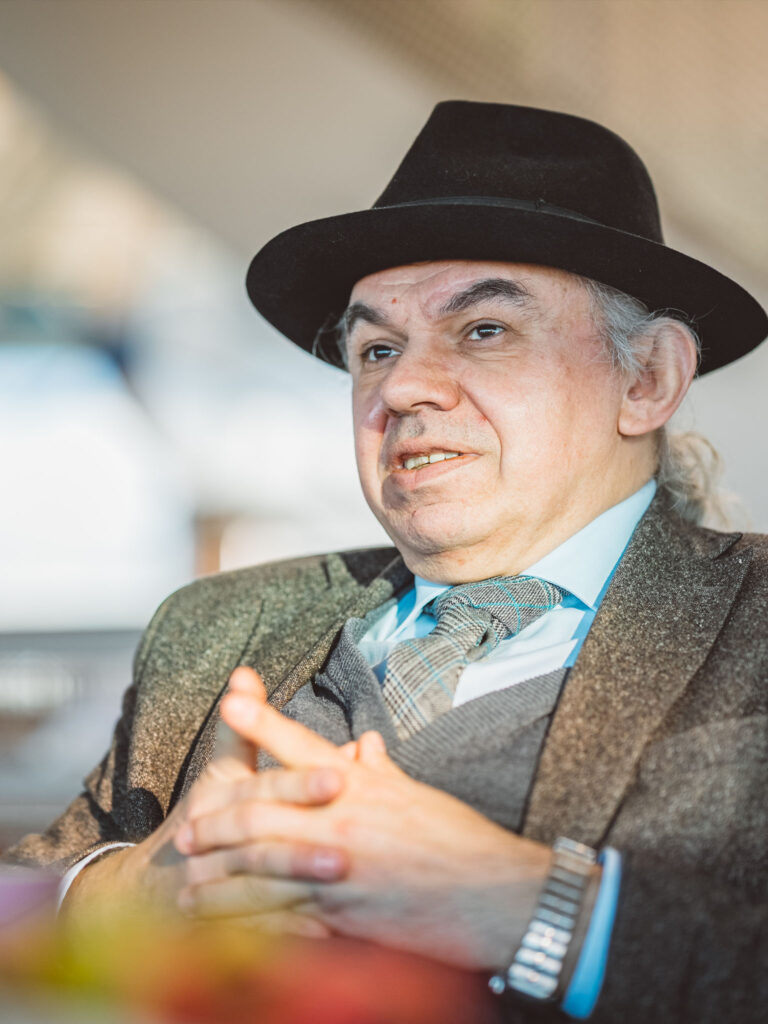
Artur Becker
Artur Becker was born in 1968 in Bartoszyce, Masuria, and moved to Germany in 1985. He writes in German – novels, short stories, poetry and essays – and received the Adelbert von Chamisso Prize in 2009. His most recent books are the story collection “Von Barschen, Augustäpfeln und anderen Menschen” (2025) and the novel “Ein roter Ziegelstein für Izabella” (Arco Verlag, 2026). He lives in Verden an der Aller.
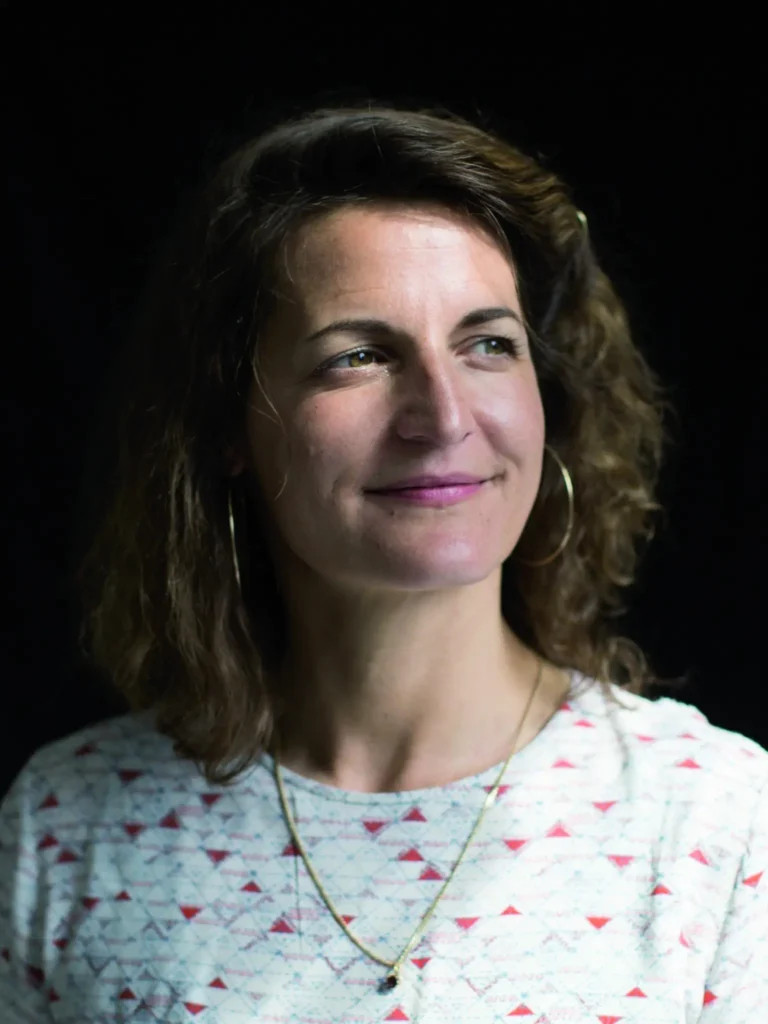
Mia Raben
Mia Raben is an author and journalist. Her mother comes from Łódź, her father is German. After leaving school she learned Polish in Kraków, attended the Berlin School of Journalism and in the 2000s worked as a freelance correspondent in Warsaw. She later studied creative writing in Leipzig. Her novel “Unter Dojczen” (Kjona Verlag, 2024) tells the story of a Polish care worker in Hamburg. She already read at the series’ first reading in 2025. Mia Raben lives with her family in Hamburg.
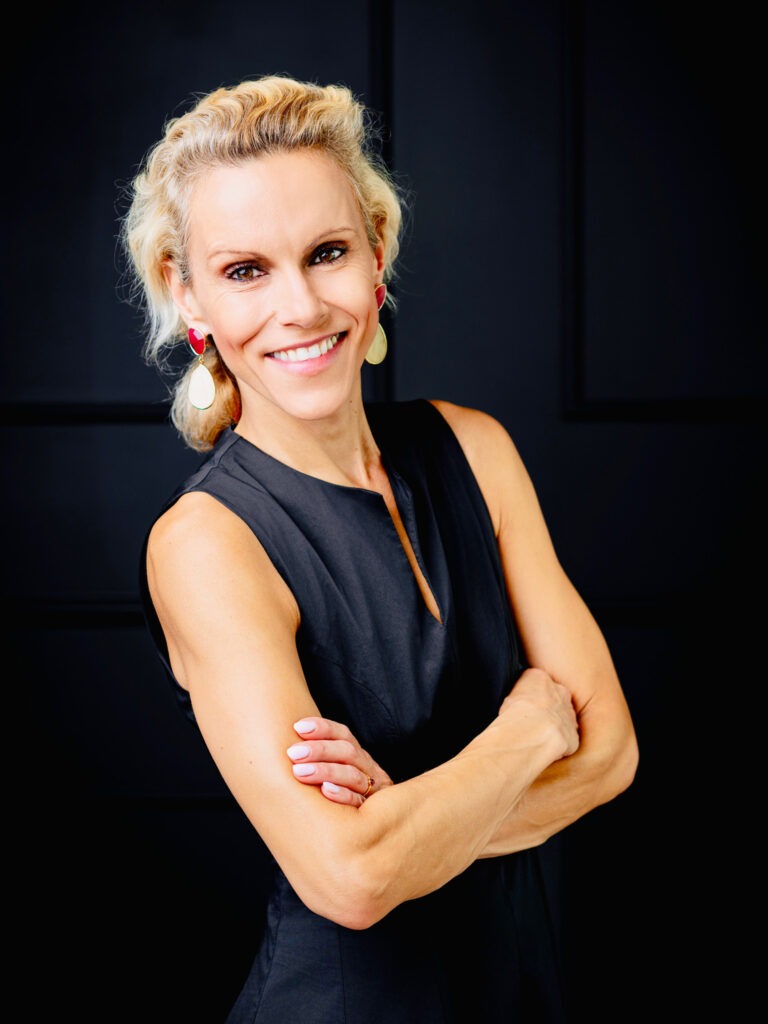
Patricia Verne
Patricia Verne was born Patrycja Czarkowska in Opole, Poland, in 1979 and grew up in Konstanz on Lake Constance. After studying intercultural communication and art history in Paris and Saarbrücken, she completed journalism training in Berlin. Through the International Journalists’ Programme she worked in Warsaw at the ARD studio and for the radio station Radio 357. Today she is a radio presenter and news editor at SWR in Baden-Baden.
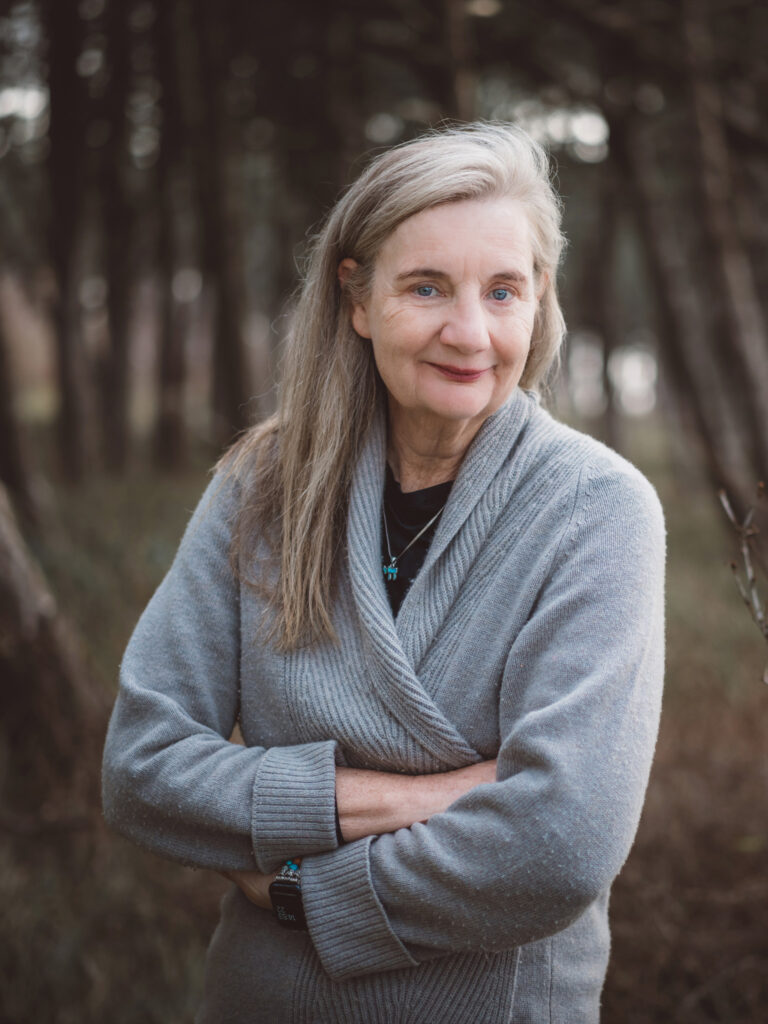
Indra Wussow
Indra Wussow was born in Germany and lives on Sylt and in Johannesburg. She studied psychology, narrative therapy and Holocaust studies, and works as an author, curator and director of the Sylt Foundation, which supports international literature and art projects as well as artist residencies. In her essays and literary texts she explores questions of memory, identity, belonging and the traces of history in the present.
MODERATION
Silke Behl
Silke Behl holds a doctorate in literary studies and is a radio journalist. After five years at the Universitas Indonesia in Jakarta, she was in charge of literature at Radio Bremen for almost 30 years. She co-founded the Bremen festival “poetry on the road”, chairs the board of Literaturhaus Bremen and has written several travel books.
Recording
The reading was streamed live and is available as a recording on YouTube.
A LOOK BACK 2025
The 2025 reading
Neighbourhoods in Time and Space: Fractures and Legacies
In November 2025, Fred Apke, Artur Becker, Karolina Kuszyk, Mia Raben and Enrique Winter read at the Quellenhaus under the title “Between Memory and Storytelling: Poland and Germany in Literature”. The recording is available on YouTube.
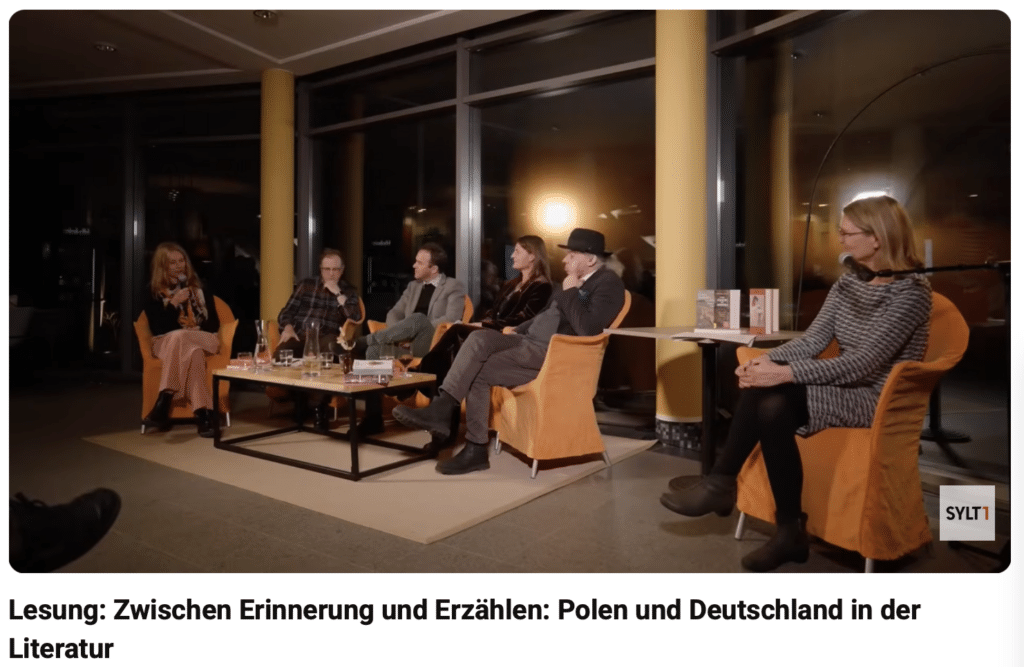
1st Meeting
20–24 November 2025
Neighbourhoods in Time and Space: Fractures and Legacies
From 20 to 24 November 2025, the Federal Institute for Culture and History of the Germans in Eastern Europe (BKGE) in Oldenburg, the University of Giessen, and the Sylt Foundation launched a new German-Polish dialogue format on Sylt. Together with authors and scholars, we explored the complex relationship between Poland and Germany: What does this fateful neighbourhood mean for us today? What is missing, what connects us, what divides us? And what lessons can be drawn from history and the present for a shared future?
Today, German-Polish relations are still shaped by ambivalences: by centuries-old wounds and memories, by political frictions and divergent views of history, but also by close proximity and diverse interconnections within Europe. At the same time, a younger generation—networked with the world through social media—is redefining ideas of cosmopolitanism, European belonging, and immediate neighbourhood. Both societies also face similar challenges: how to defend democracy, pluralism, and cultural diversity in times of populism and polarisation. It is within this tension that we wanted to deepen the dialogue: What blind spots, what opportunities, and what shared perspectives emerge from our intertwined history and present?
In interdisciplinary workshops, literature, history, and cultural studies came into conversation. The public highlight was a reading on Saturday evening with authors Fred Apke, Artur Becker, Karolina Kuszyk, Mia Raben and Enrique Winter, moderated by Silke Behl.
The series Neighbourhoods in Time and Space: Fractures and Legacies was set up to establish itself as an annual forum—an open space for questions, exchange, and new perspectives.
FRIDAY, 21 NOVEMBER 2025
(Sylt quelle)
10:00 - 13:00 Workshop I
(Hi)stories of Neighbourhood
Moderated by Hans-Jürgen Bömelburg & Indra Wussow
Together we approach the themes of neighbourhood, memory and belonging, with contributions from history, literature, curatorial practice, and German, Polish and Jewish cultures of remembrance.
16:00 - 17:00
Inherited Loneliness – How History Lives On in Us
A conversation between Indra Wussow and Ina Wolf-Bauwens
Loneliness is not only individual. It can also be inherited, as an echo of historical traumas that continue to reverberate between Poles and Germans, between generations and memories.
The historian and curator Indra Wussow and the psychotherapist Ina Wolf-Bauwens talk about loneliness as a consequence of silence, loss and guilt, and about how encounter and conversation can make healing possible.
SATURDAY, 22 NOVEMBER 2025
(sylt quelle)
10:00 - 13:00 Workshop II
Narrated Memories – Literature as a Space of Encounter
Moderated by Artur Becker & Silke Pasewalck
How does literature make memory and history tangible? Through which forms of storytelling, listening and translating—between archive and fiction, between times, languages and perspectives—do new spaces of encounter emerge?
16:00 - 17:00
Torn Origins and Shared Spaces of Memory
A conversation between Tali Nates and Indra Wussow
The lives of people between Poland, Israel, Germany and South Africa are marked by violence, loss and what is passed on. In Tali Nates’ family, the Shoah led to flight from Poland and a new beginning in Israel; her work in South Africa today connects remembrance with care and responsibility.
Indra Wussow’s family history includes resettlement to Łódź during the German occupation: a trace that raises questions about one’s own heritage, about guilt, silence and the retelling of stories.
The conversation opens up spaces for intergenerational remembrance that does not reconcile but makes visible, and thus enables relationship and shared reflection.
19:00
Reading
Public Reading
Between Memory and Storytelling: Poland and Germany in Literature
Moderated by Silke Behl
Five strong literary voices shed light on German-Polish neighbourhood between memory, experience and the future.
Fred Apke, Artur Becker, Karolina Kuszyk, Mia Raben and Enrique Winter